
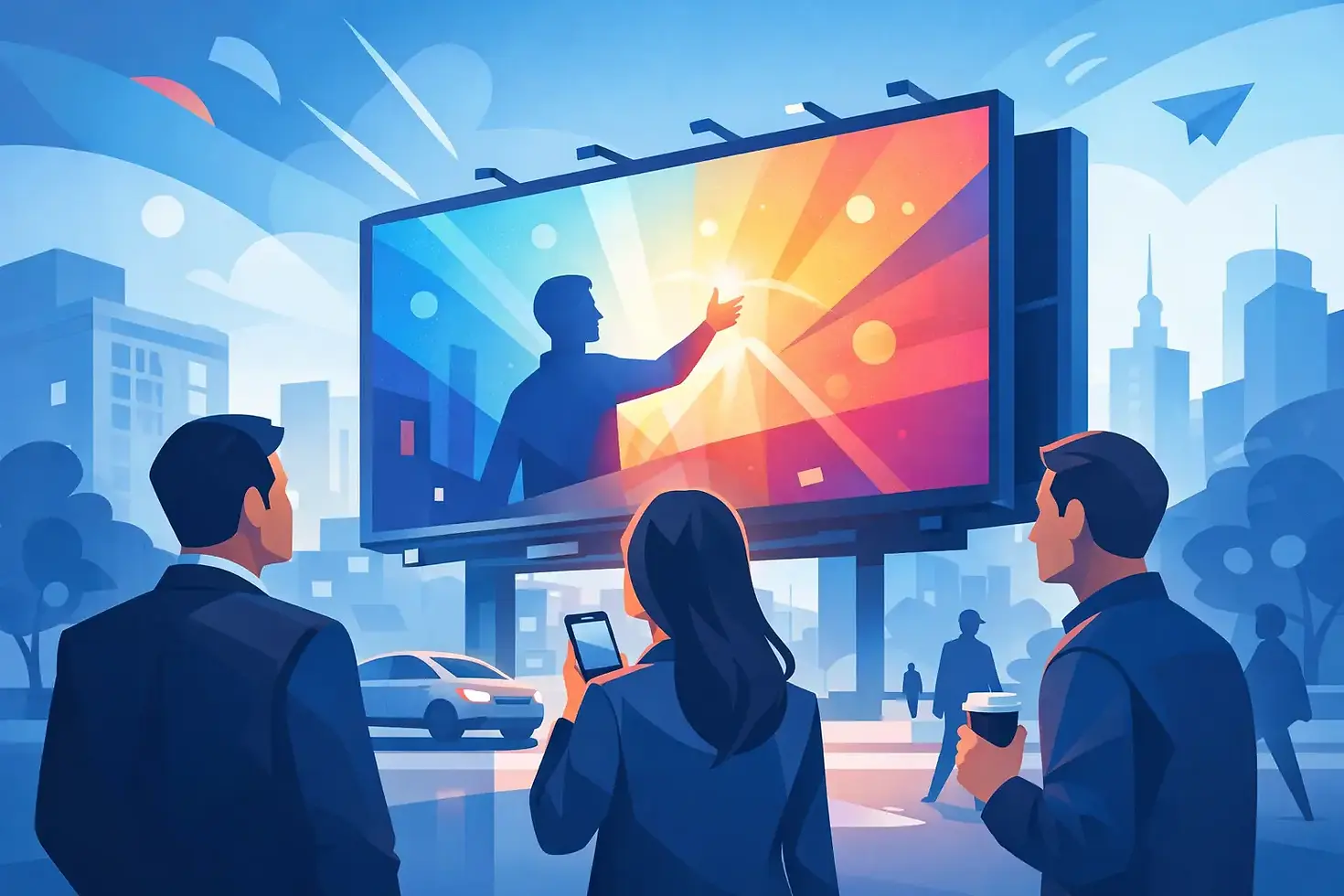
How LED Display Screens Drive Attention
- Nova Luna
- 4 days ago
- 6 min read

A faded sign on a busy road does not lose attention all at once. It loses it one passing car, one missed promotion, and one forgotten event at a time. LED display screens change that equation fast by turning static space into active communication that people actually notice.
For businesses, schools, churches, and event venues, visibility is not a nice extra. It is part of how you bring people in, keep them informed, and make your message feel current. The right display can announce a sale in the morning, promote an event in the afternoon, and reinforce your brand after dark without printing, replacing, or reinstalling anything.
Why LED display screens work so well
The biggest advantage is simple: they are built to be seen. A high-quality LED display delivers vivid color, sharp contrast, and brightness that holds up in daylight and stays clear at night. That matters if your audience is driving by, walking into a venue, or scanning a crowded environment where every message competes for attention.
But brightness alone is not the full story. Movement changes behavior. When your content can rotate through announcements, video, graphics, schedules, branding, and promotions, people are more likely to look up and stay engaged. Static signs communicate one thing. LED display screens let you communicate many things in the same footprint.
That flexibility is a major reason organizations are shifting away from traditional signage. If your business runs seasonal specials, your church updates weekly events, or your school needs to share reminders in real time, digital messaging removes delay. You do not have to wait on print production or settle for outdated information staying on display longer than it should.
Where LED display screens make the biggest impact
Not every buyer needs the same setup, and that is where a lot of projects go right or wrong. The best results come from matching the display to the environment, viewing distance, and content goals.
Retail and local business visibility
For storefronts and roadside locations, LED display screens can do what banners and printed signs rarely do consistently - stop attention in motion. Restaurants can promote specials by time of day. Auto dealers can rotate inventory messages. Shopping centers can feature tenant promotions and directional content. If traffic passes quickly, message clarity and screen brightness matter more than packing too much information on the display.
Churches, schools, and community organizations
These buyers often need to communicate more than one message to more than one audience. Morning drop-off reminders, event announcements, service times, donor recognition, emergency updates, and branded visuals all compete for space. An LED sign gives these organizations a way to stay current without the cost and effort of replacing printed materials every week.
Events and live environments
In event settings, LED is not just about information. It is part of the experience. Video walls, stage displays, mobile LED trailers, and branded backdrop screens help create energy, guide attendees, and support sponsors. Rental options make sense here when the need is temporary or seasonal. Purchase makes more sense when the display will be used repeatedly at a venue or across a regular event schedule.
What separates a strong LED screen from a disappointing one
This is where practical buyers should slow down a little. Two displays can look similar on paper and perform very differently in the field.
Resolution matters, but only in context. A tighter pixel pitch usually means a sharper image at closer viewing distances, which is valuable for indoor applications and detailed content. Outdoor roadside signs often depend more on the right balance of pitch, brightness, and durability than on chasing the smallest number available. Paying for ultra-fine resolution where it is not needed can raise project cost without improving real-world results.
Brightness is not optional outdoors. A display that looks acceptable in a showroom can wash out in direct sunlight. If the screen will face daylight exposure, premium outdoor specifications make a real difference in readability and brand presentation.
Color performance matters too. SMD LED technology is popular for good reason because it supports strong color mixing and a cleaner visual result. That becomes especially important when your screen is showing logos, people, motion graphics, and video rather than simple text.
Then there is reliability. A display is only valuable when it performs consistently. Weather exposure, installation quality, cabinet construction, software usability, and warranty support all affect ownership experience. A lower upfront price can become expensive if service is difficult, training is missing, or failures interrupt your messaging.
Choosing the right type of LED display screens
The best buying decision starts with how the display will actually be used.
If you need a permanent outdoor sign for a business, school, or church, a fixed installation is usually the right route. It becomes part of the property, supports scheduled content changes, and delivers daily brand presence. If your priority is promotions on the move, a mobile LED unit may be a smarter fit. That gives advertisers, campaigns, and event teams the flexibility to bring visibility directly to different locations.
For interior spaces, video walls create a stronger visual environment than standard monitors when scale matters. Lobbies, worship spaces, auditoriums, sports venues, and presentation environments benefit from larger-format LED because it holds brightness and visual impact over a wider area.
There is also the buy-versus-rent question. Renting works well for short-term events, temporary campaigns, and one-time productions. Buying makes more financial sense when the display supports ongoing communication or repeated use over time. Financing can help bridge that decision for organizations that need impact now but prefer to spread out the investment.
Content strategy matters more than most buyers expect
A great screen with weak content will not perform like it should. This is one of the biggest misconceptions in the category. The hardware gets attention, but the message drives results.
For roadside applications, short and readable wins. A few strong words, a clear offer, and bold visuals generally outperform crowded layouts. For schools and churches, consistency matters. A regular content schedule keeps the display useful and prevents it from becoming background scenery. For indoor environments, motion should support the message rather than distract from it.
Ease of content management is a major part of long-term success. Buyers often focus on display specs and forget to ask how simple the software is to use. That is a mistake. If your team cannot update content quickly, the screen loses value. Training and support make a major difference, especially for organizations that do not have an in-house digital signage specialist.
Installation and support are part of the product
LED projects are not just screen purchases. They are implementation projects. Site conditions, mounting methods, electrical planning, permitting, viewing angles, wind load, and service access all affect performance and safety.
That is why turnkey support matters. A provider that handles design guidance, installation, mock-ups, and training reduces risk and speeds up the path from concept to launch. It also gives buyers more confidence that the finished display will match the original vision.
Support after installation matters just as much. If software questions come up, if content needs to be adjusted, or if service is required, responsive help protects the investment. Warranty coverage is not just a checkbox. It is part of how you keep your message live without unnecessary downtime.
The real return on LED display screens
The return is not only measured in direct sales, though that is often part of it. It also shows up in stronger brand presence, better communication, more event visibility, and a more modern customer experience.
A school can reduce confusion and promote community events more effectively. A church can keep members informed and create a more welcoming visual presence. A retailer can highlight timely promotions without print delays. An event organizer can raise sponsor value and improve audience engagement. These gains are practical, visible, and often immediate.
Of course, not every organization needs the biggest or most advanced display on the market. It depends on location, audience, content goals, and budget. The smartest investment is the one that fits your use case now and still supports growth later.
That is why experienced guidance matters. A premium display with the right specs, properly installed and supported, tends to outperform a cheaper option that looks good only at the point of sale. Companies like The Pixel Man build value around that full-picture approach - quality hardware, installation expertise, training, financing, and ongoing support.
If your current signage is easy to ignore, that is the real cost to pay attention to. The right LED display does more than replace an old sign. It gives your message the presence to compete where attention is actually won.


Comments